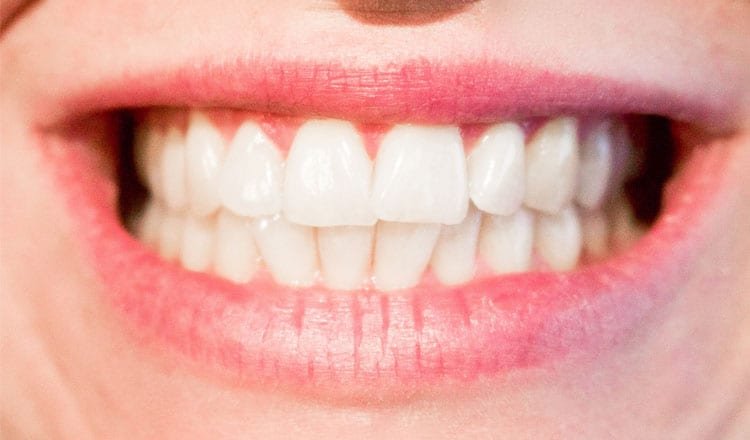
Do you find yourself grinding your teeth? Is it just on rare occasions or has it become a habit? If so, here are ways to self-manage it.
If you are clenching your jaw and grinding your teeth then you are experiencing bruxism. This is mostly common when you are sleeping or if you are stressed or anxious.
Bruxism is an excessive teeth grinding and an oral parafunctional activity where it is unrelated to normal function such as eating and talking.
Teeth grinding is also common to children. People who have bruxisms have teeth that are flattened, fractured, chipped or loose. They have worn out teeth, exposing deeper layers of tooth and thereby exposing the tooth to increased pain and sensitivity.

Common Causes, Risk Factors and Symptoms
Most people who suffer from teeth gringing are not aware of the problem until symptoms occur which is associated with pain. There are two types of teeth grinding: sleeping bruxism and awake bruxism. Doctors don’t completely understand what causes bruxism but have provided risk factors that are combination of physical, psychological and genetic factors.
Risk Factors includes:
- Stress
- Age, usually common in children but may progress or goes away by adulthood
- Personality types that’s aggressive, competitive and hyperactive will likely have bruxism
- Family history of bruxism
- Medications and substances like antidepressants, smoking, caffeinated drinks, alcohol or using recreational drugs may increase the likelihood to have bruxism.
- Other disorders such as Parkinson’s disease, dementia, gastroesophageal reflux, sleep apnea and ADHD are associated with bruxism
Bruxism may cause variety of signs and symptoms:
- Worn out tooth/teeth
- Tooth fracture
- Hypersensitive teeth
- Inflammation of periodontal ligament of teeth
- Hypertrophy of the muscles in the jaw
- Pain or tenderness of the tempomandibular joints that may lead to TMJ disorders
- Headache
Management
In many cases, treatment isn’t necessary unless bruxism is severe. Many kids usually outgrow bruxism and many adults don’t require therapy at all. However, your doctor will usually suggest dental approach to prevent teeth grinding and improve your teeth.
- Splints and mouth-guards – These are designed to keep teeth separated to avoid the damage caused by clenching and grinding. They can be constructed of hard acrylic or soft materials and fit over your upper or lower teeth.
- Dental Correction – In severe cases — when tooth wear has led to sensitivity or the inability to chew properly — your dentist may need to reshape the chewing surfaces of your teeth or use crowns to repair the damage.
- Stress Management – Learning strategies through relaxation techniques and meditation. If bruxism is related to anxiety, advices from licensed therapist or counsellor may help.
- Behaviour Change – This is done by practicing proper mouth and jaw position and usually guided by your dentist.
- Muscle Relaxants, Botox Injections and Anxiety Medications – In some cases, most especially severe cases of bruxism, doctors may prescribed you with medications. For a short period of time, muscle relaxants are taken before bedtime. Botox injections may help some people who don’t respond to other treatments. Anxiety medications may also be given for short-term use.
- A Change in lifestyle, reduce stress, and good sleeping habits – If bruxism is noticed at an early period, you may want to start changing your lifestyle, diet and sleeping habits. Avoid triggers like caffeinated drinks, reduce exposure to stress through exercise and relaxation techniques and always practice of having good sleeping habits.