You know the drill: eat less, burn more, lose weight…get healthy.
Of course the number of calories you consume and burn off are still important to the end result.
But research and experts are now saying that eating the right foods and developing a sustainable, regular exercise regimen will negate the need to count (or even think about) them.
Still not convinced?
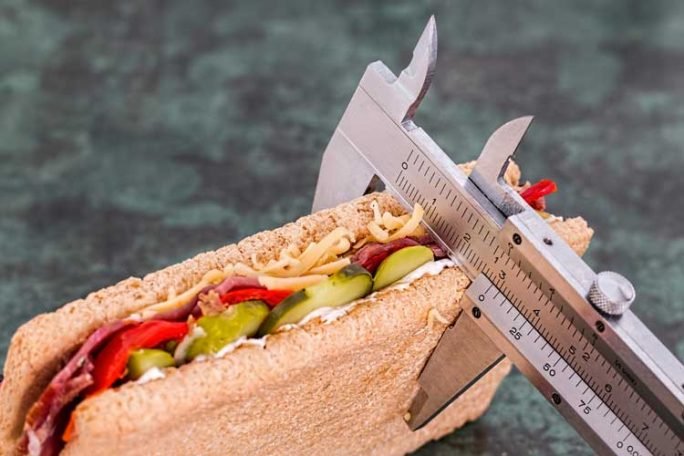
Here are five reasons calorie counting alone won’t help you lose weight or get healthy—and what to do instead.
1. Calorie measurements are far from exact
Everything is an estimate for so many reasons, both in terms of intake and burning, says Laura Miranda, an exercise physiologist, fitness nutrition coach, and the creator of the Strong Healthy Woman boot camp. So while you’re trying to carefully align 500-calorie meals with the 500-calorie-burning spin class you’re going to do later, your body may be actually taking in a wildly different number of calories.
How your body processes food (based on things like your gut health, for example) can also affect how many calories you’re taking in, Dr. Miranda explains.
2. Your body’s calorie burn is totally unique
Your boot camp instructor just told everyone who showed up they were about to burn 800 calories? Fat chance. Even if you complete the exact same exercises as the person next to you, you’ll each burn a completely different number of calories based on a long list of factors including age, height, weight, history of disease, muscle mass, fitness level, your hormones, your level of stress, and even past dieting. “If you have a history of yo-yo dieting with lots of up and downs, your resting metabolic rate will be drastically influenced,” Dr. Miranda explains.
3. Fitness trackers are not always accurate
Because of the reasons above, you can basically ignore those calorie burn numbers that your gym treadmill spits out after a 5km jog. Fitness trackers that measure your heart rate do a better job, but can still be inaccurate. One recent study, for example, showed that some devices underestimated calorie burn up to 34 percent in some cases, and overestimated it up to 40 percent in others.

4. Your body can count its own calories, if you provide the right fuel
The Calorie Myth author Jonathan Bailor argues that everyone’s body has a “set point,” a natural healthy weight it will hover around if you just deliver the right fuel, so that your hormones are regulated. “The body is designed to balance itself out,” says Jonathan. “It’s not that calories don’t count, it’s that your brain is counting them for you if you’re eating quality calories.”
5. Eating quality foods is a better strategy
One Harvard School of Public Health study of more than 120,000 people followed for up to 20 years found the quality of foods eaten was much more important than calorie counting in determining weight change.
Weight change was most strongly associated with the intake of potato chips, potatoes, sugar-sweetened beverages, and both processed and unprocessed red meats. The researchers concluded that consumption of processed foods higher in starches, refined grains, fats, and sugars can increase weight gain. Foods shown to be associated with weight loss were vegetables, whole grains, fruits, nuts, and yogurt.