Creatine has spent decades living in the world of protein shakes, gym selfies and people who know exactly how much they can deadlift. But lately, the supplement has started showing up somewhere unexpected: everyday wellness routines.
Women who do Pilates, run, walk, swim or simply want to feel stronger are increasingly curious about creatine. And as the conversation around healthy ageing shifts from simply looking good to maintaining muscle, strength and function for longer, creatine is getting a second look.
But if your idea of exercise is a reformer class followed by a coffee – or a brisk walk around the neighbourhood – do you actually need it?
The short answer: not necessarily. But you don’t have to be a gym junkie to be interested in what creatine can do.
First, what exactly is creatine?
Creatine is a compound your body naturally produces from amino acids, with most of it stored in your muscles. You also get some from foods including meat and seafood.
Its main job is helping your body rapidly produce energy during short bursts of activity. That’s why it became so popular in strength and resistance training, where muscles repeatedly need quick access to energy.
Creatine supplementation increases the amount of creatine stored in muscle, which can help support performance during high-intensity exercise and, when combined with resistance training, contribute to greater gains in strength and muscle.
So where does that leave someone who has never willingly picked up a barbell?
You don’t have to lift heavy to care about muscle
This is where the conversation gets more interesting.
Muscle isn’t just about building bigger biceps or chasing a particular physique. It plays a huge role in how we move, balance, perform everyday tasks and maintain physical independence as we get older.
From our 30s onwards, muscle mass naturally becomes harder to maintain, with the process becoming more pronounced as we age. That has helped shift the fitness conversation from simply building muscle to preserving it.
And you don’t need to become a powerlifter to benefit from paying attention to strength.
Walking, climbing stairs, carrying groceries, getting up from a chair and staying active throughout life all depend on having functional muscle.
This is also why resistance training has become such a major part of the healthy-ageing conversation – and why creatine has started attracting attention beyond the traditional gym crowd.
But does creatine actually do anything if you’re not strength training?
This is the million-dollar question.
Creatine is best supported by evidence when it is combined with resistance training. In that context, supplementation can help people train harder and support increases in muscle strength and mass.
If you aren’t doing any form of resistance exercise, you shouldn’t expect creatine to suddenly transform your body.
That said, researchers are also investigating creatine’s potential roles beyond exercise performance, including areas such as cognition and fatigue. Some studies have produced interesting results, but the evidence continues to develop, and these findings don’t mean we should treat creatine as a cure-all wellness supplement.
In other words, the science is intriguing, but Instagram has probably got a little ahead of it.
What if Pilates is your workout?
If you’re a dedicated Pilates person, you might assume creatine isn’t relevant to you.
Not so fast.
While Pilates isn’t the same as progressive resistance training in the gym, many forms of Pilates challenge your muscles and require strength, control and muscular endurance.
Whether creatine supplementation meaningfully improves your results will depend on the type and intensity of training you’re doing, as well as your overall diet and exercise routine.
If you’re doing Pilates once a week and otherwise spend most of your day sitting, taking creatine isn’t going to replace the benefits of becoming more active.
But if you’re regularly challenging your muscles, adding some form of progressive strength training may be a much more useful first step.
And what about runners and walkers?
For runners, creatine isn’t necessarily going to make you suddenly faster.
Creatine is particularly useful for activities that involve repeated, short bursts of high-intensity effort rather than long-duration endurance exercise. That means its benefits aren’t as straightforward for someone whose entire fitness routine consists of steady-state cardio.
However, endurance athletes sometimes use creatine for other reasons, including supporting strength training alongside their sport.
For walkers, the same principle applies: you don’t need creatine simply because you’re walking regularly.
If your goal is general health, improving your diet, getting enough protein, sleeping well and staying consistently active are likely to be far more important places to start.
The part women often worry about: will creatine make me gain weight?
This is one of the biggest reasons some women hesitate to try creatine.
Creatine can cause an increase in body weight, particularly when someone first starts supplementing. But that isn’t the same thing as gaining body fat.
Creatine draws water into muscle cells, which can increase water weight. Over time, any changes in body composition will also depend heavily on your training, nutrition and overall lifestyle.
So if you step on the scales after starting creatine and see the number move, don’t automatically assume you’ve gained fat.
That said, if changes on the scale are likely to cause unnecessary stress, it’s worth having a conversation with a qualified health professional before adding any supplement to your routine.
So, do you actually need it?
Creatine isn’t an essential supplement for every woman. Your body already makes it, and you can also obtain creatine through your diet.
If you’re not doing resistance training and you’re simply looking for something to make you feel healthier, stronger or more energetic, there are plenty of lifestyle fundamentals worth prioritising first.
Think: regular movement, adequate protein, strength training, quality sleep, a balanced diet and enough overall energy to support your body.
If you’re more focused on maintaining muscle and strength as you age, or you’ve started incorporating resistance training into your routine, and this interests you in creatine, discuss this supplement with an accredited dietitian, sports dietitian, or other qualified healthcare professional.
Because perhaps the more useful question isn’t “Do I lift weights?”
It’s “Am I doing enough to keep my body strong for the years ahead?”
And that conversation is no longer just for the gym bros.
Four Creatines To Try Right Now
If you’re curious about adding creatine to your routine, you’ll now find plenty of formulas that manufacturers design with everyday wellness in mind – from straight-up creatine monohydrate to blends that combine it with electrolytes, probiotics or other functional ingredients.
Here are a few worth knowing about:
JSHealth Vitamins Lean+ – $69.99
Designed with women’s wellness in mind, Lean+ combines 5g of creatine monohydrate with Eriomin, a citrus extract that supports carbohydrate metabolism, plus a targeted probiotic to support gut health. It comes in a refreshing Pineapple-Lime flavour and is designed to be taken once daily.

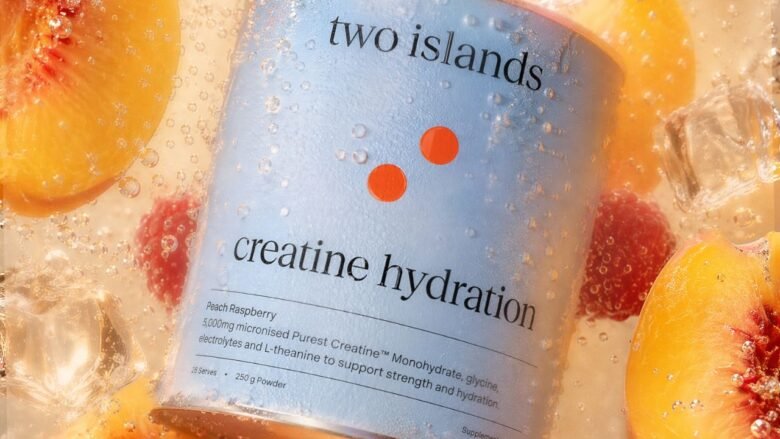
Two Islands Creatine Hydration – $59
For anyone who likes their supplements to multitask, Two Islands Creatine Hydration combines 5g of micronised creatine monohydrate with glycine, taurine, electrolytes and L-theanine. Available in Peach Raspberry or Unflavoured, it’s designed to support strength, hydration and recovery in one daily serve.
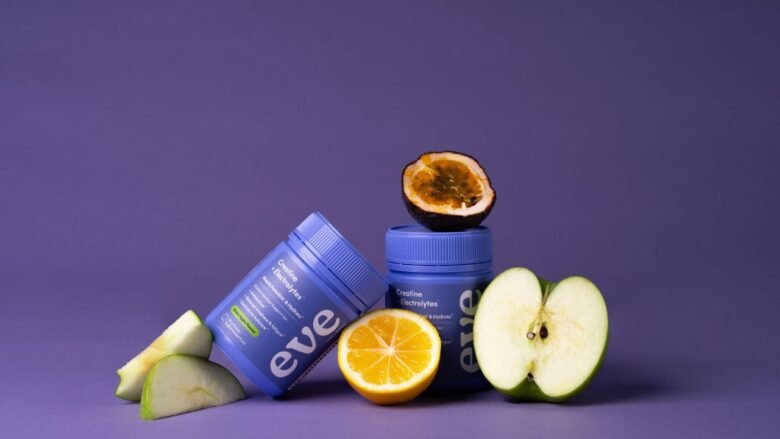
Eve Wellness Creatine + Electrolytes – $44
Creatine meets hydration in this everyday formula from Australian wellness brand Eve Wellness. It contains 5g of creatine monohydrate alongside sodium, potassium, magnesium and zinc, with the formula designed to support muscle function, hydration, energy and recovery. Choose from Passionfruit Lemonade or Green Apple.
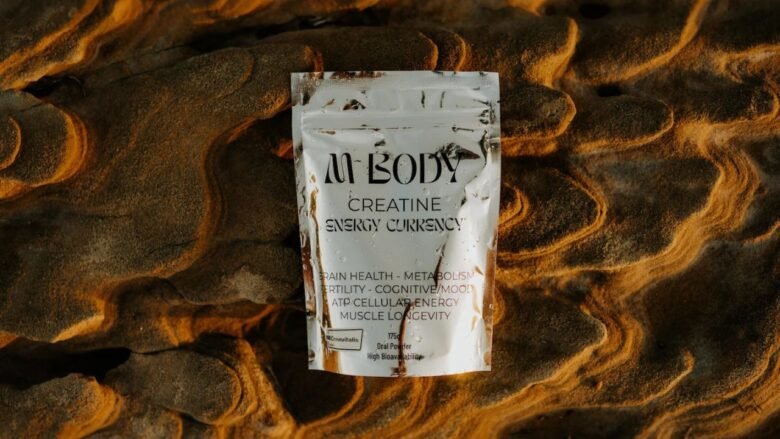
M Body Minerals Energy Currency – $59.95
Taking a slightly broader approach to the creatine conversation, M Body Minerals’ Energy Currency is a 5g creatine monohydrate formula positioned around everyday energy, muscle and cognitive wellness. It uses Creavitalis micronised creatine monohydrate sourced from Germany and comes as a flavourless powder that can be mixed into water, smoothies or your morning routine.
One important note: creatine is one of the more extensively researched sports supplements, but individual products can make claims that go beyond the strength of the evidence. If you’re considering supplementation – particularly if you’re pregnant, breastfeeding, taking medication or have an existing health condition – it’s worth checking with your doctor or an accredited dietitian first.