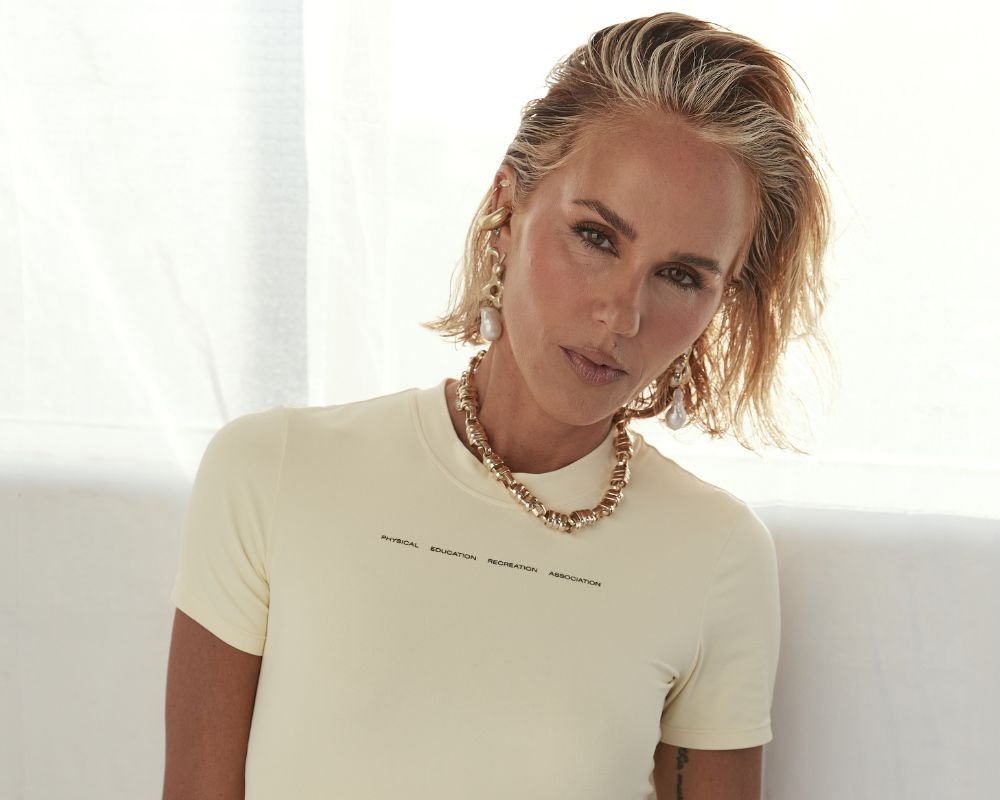
In a move towards workplace inclusivity, Australian fashion icon and P.E. Nation co-founder Pip Edwards is stepping into a new spotlight: advocating for women navigating menopause in the professional world.
As a prominent entrepreneur, Pip is using her platform to challenge the stereotypes surrounding hormonal health and urging businesses to implement permanent policies that support women through this vital life stage.
The Hidden Struggle: Managing Early Perimenopause
For Pip, this advocacy is born from personal experience. Having navigated perimenopause at just 39, she faced the physical and mental shifts of hormonal depletion well before the typical age. Like many women in high-pressure roles, she initially felt forced to manage her symptoms in isolation.
“I suffered in silence on all fronts,” Pip admits. “There was no real knowledge or support, nor conversation or awareness. I hope we can break the taboo surrounding menopause, not just in the workplace but in all areas of life.”
Her experience mirrors a global trend: a generation of women hitting their career peaks just as their hormones begin to shift, often without a corporate safety net.
Bridging the Disconnect in Corporate Australia
Recent research highlights a glaring gap in workplace wellness. Despite women making up a significant portion of the senior workforce, actionable support for menopause remains rare. Data suggests that while a majority of women now feel comfortable discussing the topic, only a tiny fraction of workplaces have formal guidance or support structures in place.
This disconnect forces many talented women to step back from leadership roles precisely when they are most experienced. The conversation needs to move from “awareness” to moving the needle toward real policy change.
A New Era for Women’s Reproductive Health
The push for menopause-friendly workplaces is gaining national momentum. With recent government inquiries recommending the exploration of paid, gender-inclusive reproductive health leave, Australia is at a turning point.
Pip Edwards’ advocacy aligns with this shift, reinforcing that hormonal health is not a “private struggle” but a fundamental pillar of workplace wellness. By normalising these discussions, businesses can ensure women navigate this transformative time with dignity, support, and their professional ambitions intact.
The Women Love Wellness Checklist: Creating a Menopause-Friendly Workplace
Is your business supporting its most experienced talent? Use this checklist to evaluate your current workplace policies and foster an environment where women can thrive during every hormonal stage.
Accessible Resources: Do employees have access to a directory of expert-led wellness resources or EAP (Employee Assistance Program) providers who specialise in women’s health?
Formal Menopause Policy: Does your company have a written policy that explicitly mentions menopause and perimenopause support?
Flexible Working Arrangements: Do you offer flexibility in start/finish times or work-from-home options to help manage symptoms like insomnia or fatigue?
Environmental Adjustments: Does the office provide temperature control (fans, cooling stations) and easy access to cold water and well-ventilated break areas?
Sensitivity Training for Management: Have leaders been trained on how to have supportive, shame-free conversations about reproductive health?
Wellness Room Access: Is there a private, quiet space available for employees who may need a moment to manage a hot flush or mental fog?
Reproductive Health Leave: Have you explored inclusive leave options that cover hormonal health, separate from standard sick leave?