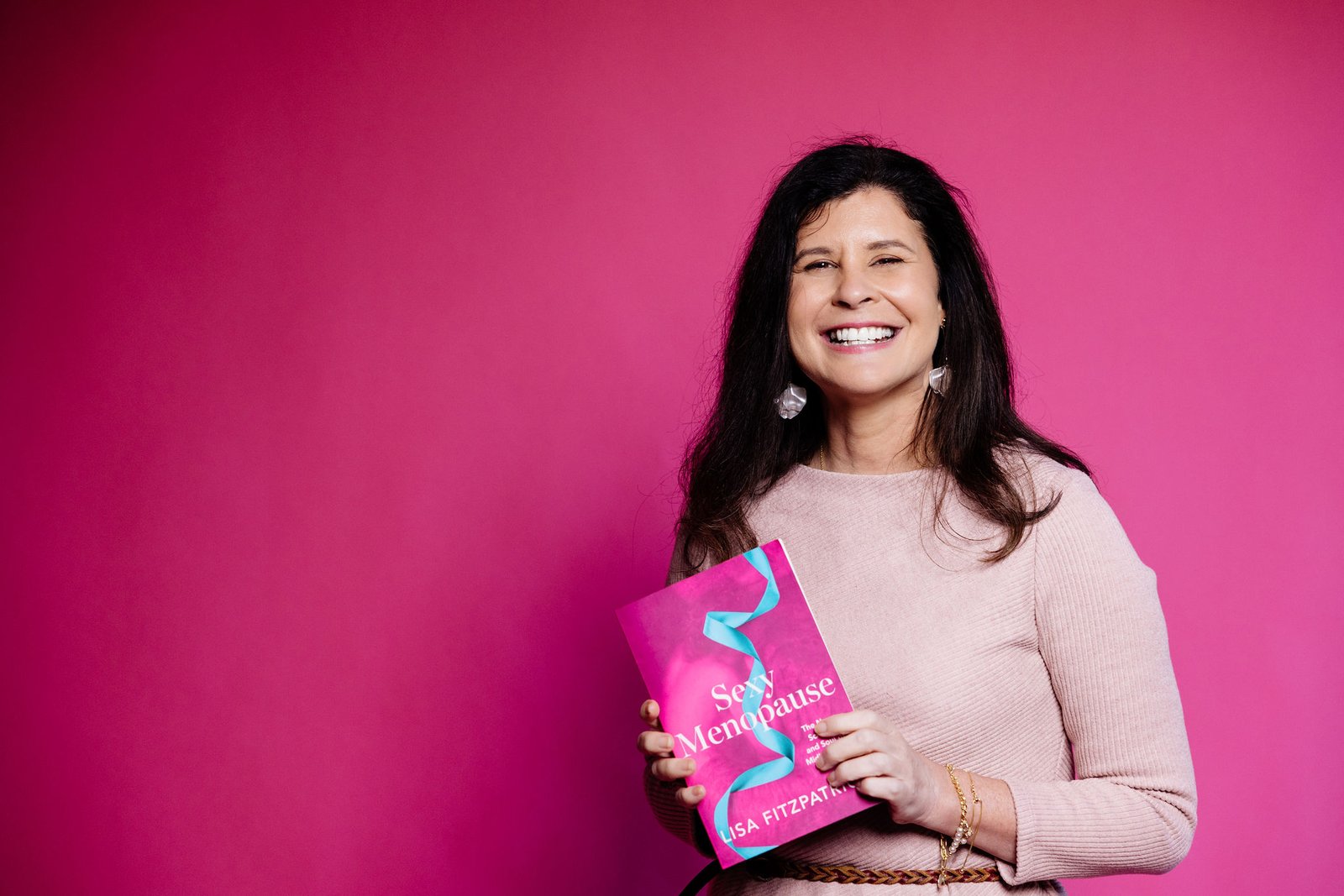
By Lisa Fitzpatrick
In my pelvic-floor and female wellbeing focussed physiotherapy clinic, I regularly support women who speak about sex being something they have shelved – with no intention of revival. They have decided, often at midlife, that pelvic pain, vaginal dryness, reduced libido or a changing body they barely recognise means that this part of their life is finished.
Often, nobody has actually told them that there is a possibility for reinvention and potentially a powerful new form of sensuality that awaits them on the other side of these midlife changes. The conclusion that they have somehow outgrown sexual desire has often either arisen from not being supported to learn the health benefits of sex or educated otherwise by the dominant culture or their treating health professionals. How often have you been asked by a health provider, as a woman, how your sex life is going?
Menopause can change sexual experience. That is undeniable. I see it every day in my clinic. Falling oestrogen may affect the tissues of the vulva, vagina, urethra, bladder and pelvic floor in ways that increase vulnerability. Tissues can become drier, thinner or less elastic. Arousal often takes longer. Penetration that was once comfortable can begin to sting, burn or feel as though the pelvic floor muscles are guarding the body.
Whilst these changes are real, they are not the end of the line for a woman’s sexual potential. They are completely treatable, sometimes entirely reversible and often pass, often delivering a woman into a powerful state of new awareness about the capabilities of her body towards pleasure.
Painful sex is not something women should endure. As challenging as it is, pain offers an opportunity for a new connection to intimacy that is more honest, powerful and authentic, if only the right conversations are engaged. ‘Use more lubricant’ is not the same as a complete assessment with your women’s health physiotherapist or pelvic floor expert. Discomfort may involve genitourinary syndrome of menopause, pelvic-floor guarding, scar tissue, vulval skin conditions, bladder sensitivity, previous pelvic pain or the nervous system learning to anticipate threat. Frequently, several factors coexist and need to be considered on an individual basis. This is known as phenotype. ‘Phenotype-first care’ means identifying the patient’s particular pattern of symptoms, impairments and contributing factors before choosing treatment.
For example, in pelvic health, two women may report bladder urgency, painful sex or prolapse symptoms, but the mechanisms driving them may be quite different. Treatment therefore needs to match the woman, rather than prescribing the same solution to everyone. Some women benefit from medically prescribed vaginal oestrogen or dilator or vibrator-therapy. Some need a better moisturiser and lubricant routine. Some require pelvic-floor rehabilitation, which does not always mean more strengthening. A pelvic floor can be tender or unable to release.
Desire and libido can change across the shifting milestones of a woman’s life. Many women expect desire to appear spontaneously, before touch even begins. In long relationships and during high stress periods of time, desire is often responsive, affected and emergent once safety, affection, stimulation and connection have been established. That is not defective desire. It is a different route into arousal.
Too often, midlife brings exhausting workloads, caring responsibilities, poor sleep, medication changes, relationship tension, grief and a body that feels unfamiliar. It is unreasonable to assess libido without considering the life and context surrounding it.
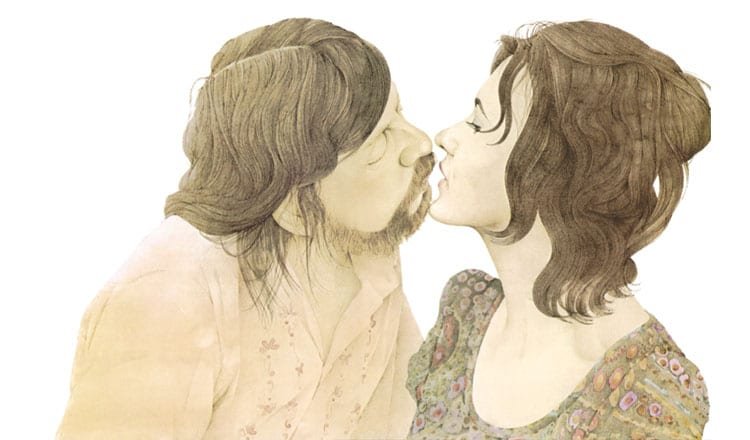
Sexual wellbeing includes more than just intercourse. It can include touch, fantasy, sensuality, masturbation, vibrators, kissing, laughter, communication, erotic curiosity and pleasure without penetration. Expanding the definition can remove pressure and make room for a more truthful sexual life.
If sex has become uncomfortable or absent, begin with curiosity rather than judgement. Ask questions: Is there pain? Has sensation changed? Do I feel emotionally safe? Am I adequately aroused? Does my pelvic floor know how to relax? What kind of intimacy do I want now that honours these changes?
Then seek an assessment from a clinician who understands menopause, vulvovaginal health and pelvic-floor function. Persistent bleeding, skin changes, recurrent urinary symptoms or significant pain deserve medical review.
A satisfying sex life at 50, 60 or 70 may not resemble the one you had at 30. It may be even better – slower, more communicative and way more inventive. Imagine how it might feel if you knew that your most sensual chapters were ahead of you in the form of new expressions of creativity, sexuality and physicality that honour each new stage of life.
Lisa Fitzpatrick is a women’s pelvic and sexual health educator and physiotherapist with more than three decades of clinical experience. She is the author of Sexy Menopause and founder of Womankind Pelvic Care Physiotherapy. www.sexymenopause.com