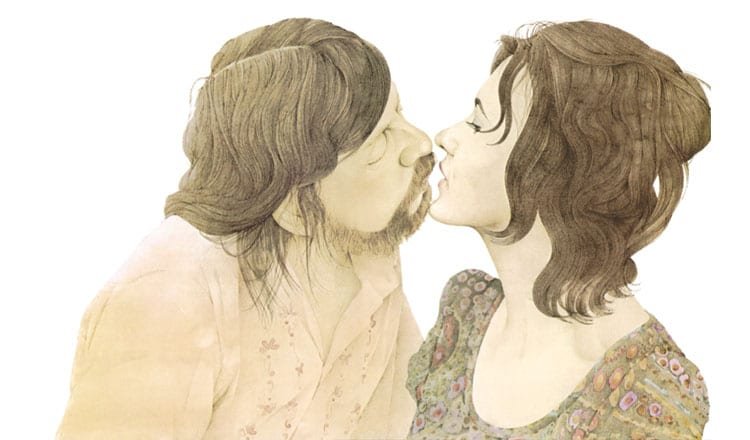
The physiology linking sleep and sexual function operates identically whether you’re sleeping beside another person or alone in a king-sized bed. Your sleep quality directly determines tomorrow’s sex drive…
When I told people I was researching the topic of sleep and sex, most came up with all manner of funny responses.
‘Are you going to help explain why my partner pretends to be asleep when I try to initiate sex?’ one friend asked. Another said, ‘Great topic, I always have the best sex of my life … and then I wake up’.
We joke about this subject, but it really goes to the heart of being happy, healthy and in a loving partnership. Sleep affects sex and sex influences sleep. Any issues on either side of this equation can cause genuine distress.
The testosterone-sleep cycle
Testosterone is what drives sexual desire in both women and (more strongly) in men. It’s the hormone that makes you think about sex, respond to sexual cues, feel motivated to initiate intimacy and engage in behaviours that are more likely to result in sex.
It is also associated with higher energy and status seeking, and affects how you respond to stress and pain. It can nudge motivation, risk-taking and assertive behaviour. Without adequate testosterone, your libido can simply evaporate, even when everything else in your relationship is fine.
Your sleep duration and architecture directly influence how much testosterone your body produces. Testosterone follows a strict circadian and biological rhythm, with levels starting to rise as you fall asleep, building through slow-wave sleep and peaking during the first REM cycles.
Because your brain’s sleep architecture, specifically the transition between deep and REM stages, acts as the control centre for this production, disruption is very problematic. In young men, restricting sleep to less than 5 hours each night for just 1 week causes testosterone to drop by 10–15 per cent, effectively ageing their hormonal profile by a decade.
While women produce significantly less testosterone than men (roughly 5–10 per cent of male levels), they are equally sensitive to sleep loss. Recent research shows that for middle-aged women, both short sleep (less than 6 hours) and excessively long sleep (9 hours or more), are associated with lower testosterone concentrations.
Sleep deprivation, whether from shiftwork, alcohol or stress, lowers testosterone, which reduces libido and muscle recovery. This leads to increased relationship stress and self-esteem issues, which further activate the sympathetic nervous system and worsen sleep quality.

How sex improves sleep
Sex might not only feel like a drug hit, it literally is one, flooding your brain with the same potent cocktail of dopamine and opioids that makes cocaine and heroin so devastatingly addictive.
During sex, a cluster of neurons in your brain’s centre dumps dopamine into your brain’s pleasure headquarters while natural painkillers produced in your brain amplify the high. Orgasm also releases oxytocin and vasopressin, which engage reward and memory circuits, making the experience easier to recall and more strongly craved over time.
This neurochemical cascade creates genuine sleep benefits. Orgasm releases prolactin (which promotes drowsiness), oxytocin (which reduces stress) and endorphins (feel-good chemicals).
Physical activity contributes too; sexual activity is cardio, it elevates the heart rate to over 130 beats per minute during orgasm, roughly equivalent to moderate exercise like brisk walking. The muscle engagement and energy expenditure create a positive mix of satisfaction and tiredness that facilitates sleep.
The anxiety reduction component may be most valuable. Orgasm activates the parasympathetic nervous system, your ‘rest and digest’ system that counteracts stress responses. Research links sex before bed with faster sleep onset and improved sleep quality.
The feedback loop works in both directions, with one study finding that better sleep improves next-day desire. Women who got 1 extra hour of sleep per night were more likely to engage in sexual activity the following day.
Sleep deprivation makes you a terrible partner
Even one night of poor sleep increases relationship conflict substantially the next day. Impaired pre-frontal cortex-amygdala regulation, less emotional control and heightened reactivity turn you into someone who’s short-tempered and unable to regulate it. This kills intimacy.
Sleep-deprived people perceive their partners more negatively and interpret neutral comments as critical. When researchers brought couples into the laboratory to discuss relationship problems, those who slept less than 7 hours showed increased hostility and negativity (and took longer to heal) compared to well-rested couples.
Women’s sleep quality predicts next-day sexual desire more strongly than men’s, possibly because women’s sexual response relies more heavily on emotional context and feeling safe. Men’s desire shows less day-to-day variation based on sleep, although chronic sleep deprivation affects them equally over time.
Couples where both partners sleep adequately report higher sexual satisfaction, more frequent sex and better relationship quality overall.
Practical Integration
Research makes clear that sleep and sex are intimately connected, but not in the ways people assume. Mismatched desire often reflects mismatched sleep patterns rather than relationship problems. Low libido may signal a sleep disorder rather than relationship dissatisfaction.
Address whichever issue is actually broken rather than assuming they’re automatically linked. If you’re sleeping well but sex has disappeared, that’s a relationship or medical issue. If you’re having great sex but sleeping terribly, that’s a sleep issue. If both are problems, fix sleep first – it’s often the simpler intervention and has cascading benefits.
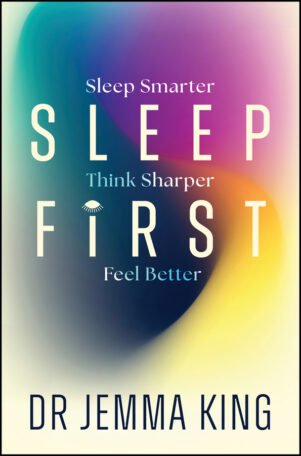
Edited extract from Sleep First by Dr Jemma King (Wiley, $36.95), available at all leading retailers.

More about Dr Jemma King: https://jemmakingbio-pa.com.au/