We’re taught to think about healthy ageing once old age arrives. But the strength, stamina and independence we want later are being rehearsed decades before that, and midlife is not too late to change the script.
You want to get through the afternoon without needing a lie down.
Sleep through the night uninterrupted.
Think clearly in a meeting.
Feel comfortable in your body.
Stop wondering whether every new symptom is a hormone problem, stress, or something you should get checked with a doctor.
In my twenty years of clinical practice, almost no woman in her 40s has told me she’s thinking about how she wants to feel at 75.
Of course she isn’t. The future is abstract and there’s more than enough to deal with right now.
Menopause is usually discussed in terms of symptoms: hot flushes, disrupted sleep, brain fog and changing periods.
But there’s another conversation we need to have.
Midlife is also when changes in muscle, bone and cardiovascular risk begin shaping the health and independence we may have decades later.
Because your seventies don’t start on your 70th birthday.
The capacity you’ll rely on then, getting up off the floor, carrying your own groceries, recovering well from illness, travelling and keeping up with the people you love, is being built right now, in the decade many women spend feeling like they’re just getting through.
Which makes your forties less a countdown to decline and more a training ground.
This isn’t about blaming women for how they age. Health is shaped by genetics, illness, income, work, caring responsibilities, access to healthcare and luck.
Nor am I arguing that you need to turn wellbeing into a full-time job.
A more useful way to understand midlife is to see it not as the point at which everything starts going wrong, but as a window where relatively small changes can help protect future capability.
Healthy ageing means thinking beyond lifespan
Plenty of women tell me they don’t want to live longer. They don’t want the version of old age that involves the walking frame, ten medications and a shrinking world.
Fair enough. But that’s an argument against frailty, not against years.
Healthspan is the distinction worth making.
Lifespan counts how long you live. Healthspan is about how long you can think, move and live your own life feeling well.
Your healthspan depends partly on what researchers call physiological reserve, the spare capacity that helps the body meet a challenge.
A younger body can lose strength during an illness or a sedentary month and regain it fairly quickly. Later in life there’s less to draw on, and recovery can take longer.
So you build the capacity before you urgently need it.
Muscle is perhaps the clearest example.
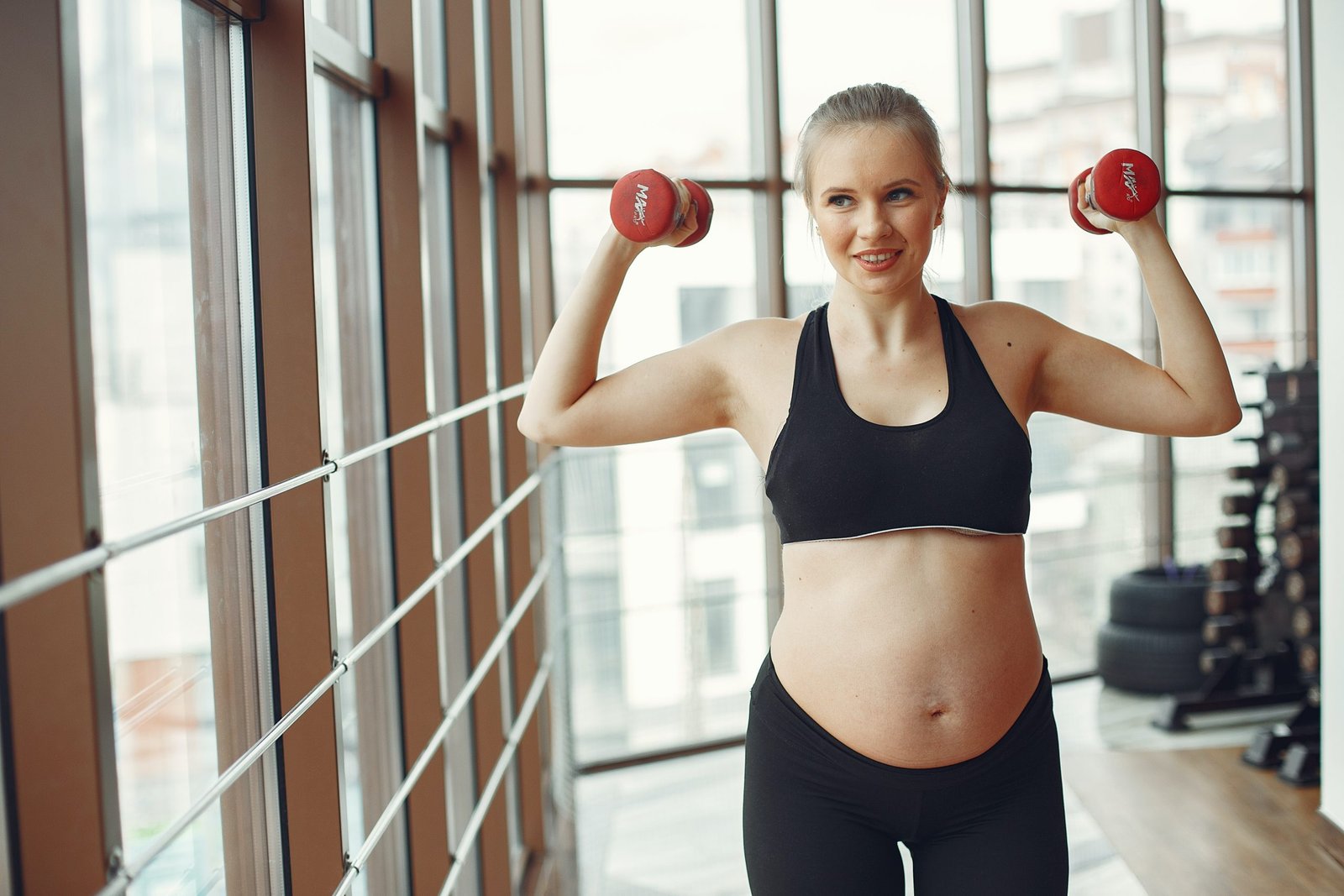
It isn’t cosmetic, and strength training isn’t only for people who enjoy gyms. Skeletal muscle plays an important role in metabolic health. It also supports joints, protects mobility and gives us the strength for ordinary tasks.
The real question isn’t whether your arms look toned now. It’s whether your legs will lift you out of a low chair later, and whether your balance and reaction time will let you correct a stumble before it becomes a fall.

Bone tells a similar story.
Bone loss accelerates around the final menstrual period. Data from the long-running SWAN study found women lost roughly 10 per cent of lumbar spine bone density across the six years spanning the menopause transition and early postmenopause.
But bone isn’t inert. It responds to load.
In the Australian LIFTMOR trial, eight months of twice-weekly, supervised high-intensity resistance and impact training improved bone density and physical function in postmenopausal women with low bone mass.
That doesn’t mean every woman should suddenly start lifting heavy weights without appropriate guidance. It means our bodies remain responsive after menopause and well-prescribed training can make a measurable difference.
Most importantly, reaching your 40s exhausted, inactive or feeling unwell doesn’t mean you’ve missed your chance.
Strength can improve. Fitness can increase. Blood pressure and glucose regulation can change. Sleep and recovery can be rebuilt.
Health trajectories aren’t fixed.
Midlife women are given the wrong brief
Women in their 40s usually get handed one of two messages.
The first is that what they’re feeling is just ageing. Get used to it.
The second is that in order to be healthy they need to track and optimise everything.
One dismisses legitimate symptoms. The other hands an already overloaded woman a punishing list of things to do.
Lift heavy. Do high-intensity interval training. Eat more protein. Protect your bones. Reduce stress. Improve sleep. Manage cholesterol. Drink less alcohol. Meditate. Take supplements. Maintain your social connections.
No wonder women feel overwhelmed.
I see women who know an extraordinary amount about health but can’t work out what is relevant and applicable to their health.
They’re not lacking information. They’re lacking navigation.
The answer isn’t a complete anti-ageing regime.
It’s identifying the part of your current life most likely to limit your future life and starting there.
For one woman that might be progressive strength training twice a week. For another it might mean investigating persistent fatigue before starting any exercise program.
It could be treating high blood pressure, rebuilding sleep after years of disruption, getting enough protein across the day, walking for ten minutes after dinner or finally dealing with the knee pain that has made exercise inaccessible.
Australian movement guidelines recommend adults be active most days, include muscle-strengthening activity at least twice a week and regularly incorporate activities that support balance and mobility.
That’s the destination. It doesn’t have to be the starting line.
If you’re doing very little now, your first useful change might simply be a ten-minute walk.
If you already walk or run regularly, perhaps the missing piece is strength.
If you’re training hard but sitting for most of the rest of the day, more light movement might matter.
If poor sleep means you’re struggling to recover, adding harder exercise may not be the smartest first move.
The best starting point isn’t the habit trending on social media.
It’s the one that addresses your biggest obstacle.
Train for the life you want to keep
The most useful question isn’t: How do I stop ageing?
Ageing isn’t a personal failure, and no wellness routine makes anyone invulnerable.
A better question is:
What do I want to still be able to do at 70?
Sit down on the floor and get back up again?
Carry your own suitcase?
Hike on a holiday?
Concentrate long enough to do work that means something to you?
Recover well from surgery?
Keep up with the people you love?
Then work backwards.
Want to be hiking at 70? Walk more now and find some hills.
Want to carry your own suitcase? Start strength training with an appropriate weight and progressively add load.
Want to keep getting yourself off the floor? Practise getting yourself off the floor.
The life you want tells you something about the capacity you need to protect.
And the foundations are reassuringly unglamorous.
Move regularly. Strengthen the body. Practise balance and mobility. Interrupt long periods of sitting. Protect sleep.
The World Health Organization puts part of it even more simply: any physical activity is better than none, and all physical activity counts.
None of this is dramatic, which is exactly the point.
You don’t have to overhaul your life on Monday.
Pick one foundation, preferably the one addressing your biggest constraint, and work on that.
The returns come from repetition, and repetition compounds.
Small deposits, made consistently, are what your seventies get to spend.
Midlife health advice often arrives wrapped in urgency, as though women have to fix themselves before a door permanently closes.
I prefer a different frame.
Your forties are a chance to get deliberate about what you want your seventies to look and feel like.
You don’t need to train like an athlete for a future you can’t picture yet. You need to give your future body regular evidence that strength, stamina, balance and recovery are still required.
The goal isn’t arriving in your seventies untouched by age. It’s arriving with capacity, and with options.
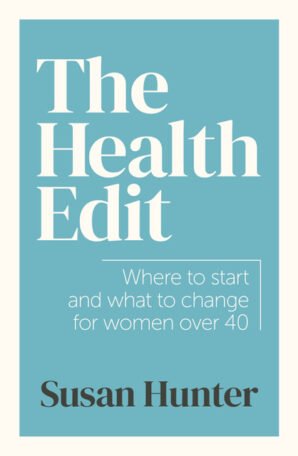
Susan Hunter is an author and women’s health strategist with more than 20 years of clinical experience working with women. A qualified naturopath and nutritionist, she is the author of The Health Edit: Where To Start and What To Change for Women Over 40.