
There is an increasing interest in plant-based eating patterns such as vegetarian and vegan, yet potential effects on the body and brain are a matter of debate.
This increasing awareness calls for a better scientific understanding of how plant-based diets affect human health, in particular with regard to potentially relevant effects on mental health and cognitive functions.
Note: My aim in this article is to provide you with the latest scientific research so that you have the knowledge to make your own decision. I have my own opinion but I am not biased and purely comparing these two based on their objective nutritional values.
I am an absolute animal lover and I believe that we can all consciously choose to make certain changes to our diets that are not only beneficial for our health but ones that can benefit all living creatures on our beautiful planet.
Plate and the Planet
Let’s Take A Look at Protein Foods and Our Planet
Just as different foods can have differing impacts on human health, they also have differing impacts on the environment.
Agriculture is a major contributor of greenhouse gas (GHG) emissions globally, the accumulation of which is driving climate change at a rate unprecedented in human history.
However, not all foods have an equal impact. Production of animal-based foods tends to have higher GHG emissions than producing plant-based foods—and dairy and especially red meat (particularly beef, lamb, and goat) stand out for their disproportionate impact.
To give you an idea, the below “scorecard” from the World Resources Institute illustrates the differing GHG emissions per gram of protein from both animal and plant-based protein foods.
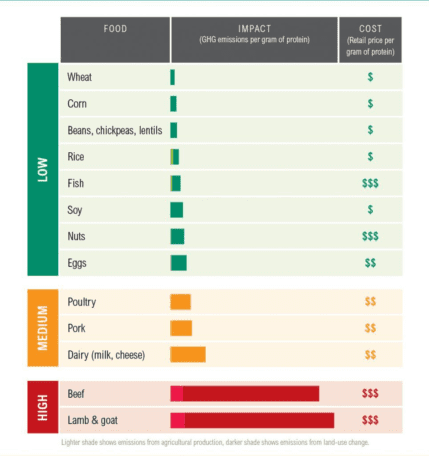
Making just one pound (454 grams) of lamb generates five times more GHGs than making a pound of chicken and around 30 times more than making a pound of lentils.
In the U.S. alone, beef accounts for 36% of all food-related GHG emissions.
Beyond emissions, it’s also important to note that food production places an enormous demand upon our natural resources, as agriculture is a major contributor to deforestation, species extinction, and freshwater depletion and contamination.
Emotional Lives
Here’s some food for thought….
– While animals cannot verbally report their feelings as humans do, all other methods of studying human emotions can also be applied to animals. These measures have shown that many animals have “rich and deeply emotional lives”.13
While much attention is given to negative feelings such as stress and fear, animal welfare is also dependent on pleasurable emotions.
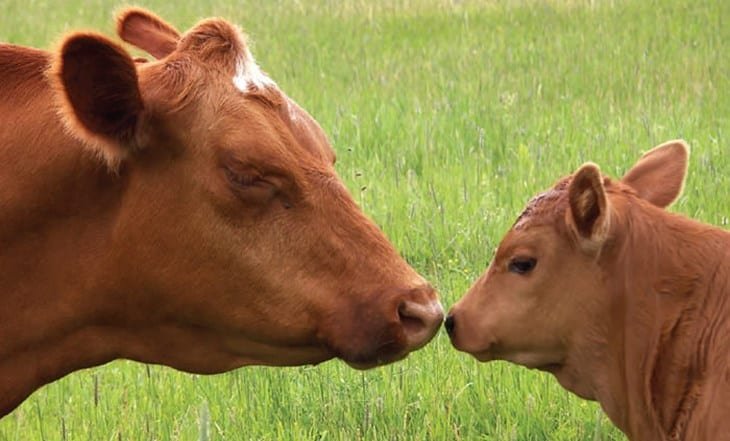
Play behaviour is widespread in mammals and many birds. Young calves often have playful fights and prance about, while young chickens jump around and flap their wings for fun. Animals also find pleasure in the search for and consumption of food, tactile interactions like grooming, sexual activity and basic comforts like basking in the sun.
Today, millions of animals are denied the freedom to experience these basic pleasures because they are confined in cages, kept in isolation or crowded in sheds without access to a natural environment.
What is a Plant Based Diet?

A plant-based diet aims to maximize consumption of nutrient-dense plant foods while minimizing processed foods, oils, and animal foods (including dairy products and eggs).
It encourages lots of vegetables (cooked or raw), fruits, beans, peas, lentils, soybeans, seeds, and nuts (in smaller amounts) and is generally low fat
Health Benefits of a Plant Based Diet
Based on research plant-based diets have been shown to convey nutritional benefits, in particular increased fibre, beta carotene, vitamin K and C, folate, magnesium, and potassium intake and an improved dietary health index.
A well-balanced plant-based diet can provide many health benefits, such as a reduced risk of chronic diseases, including:
- obesity
- coronary heart disease
- hypertension (high blood pressure)
- diabetes
- some types of cancer.
Is Meat Really the Main Source of Protein?
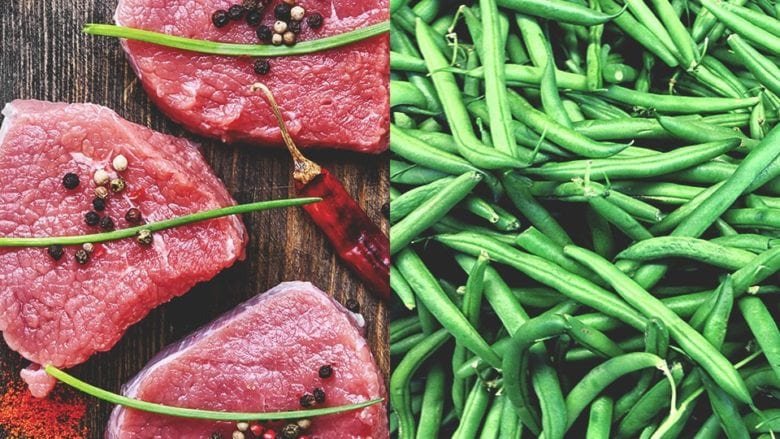
Traditionally, meat has been thought of as our main source of protein, but there are plenty of diverse protein sources out there.
Protein Is A Vital Key Part of Any Diet
Protein is an essential macronutrient, but not all food sources of protein are created equal.
The average person needs about 7 grams of protein every day for every 20 pounds of body weight. Because protein is found in an abundance of foods, many people can easily meet this goal.
Protein is found throughout the body—in muscle, bone, skin, hair, and virtually every other body part or tissue. It makes up the enzymes that power many chemical reactions and the haemoglobin that carries oxygen in your blood.
- At least 10,000 different proteins make you what you are and keep you that way.
Protein is made from twenty-plus basic building blocks called amino acids.
Because we don’t store amino acids, our bodies make them in two different ways: either from scratch, or by modifying others.
- Nine amino acids—histidine, isoleucine, leucine, lysine, methionine, phenylalanine, threonine, tryptophan, and valine—known as the essential amino acids, must come from food.
- However, not all protein “packages” are created equal. Because foods contain a lot more than protein, it’s important to pay attention to what else is coming with it.
Plant Based Protein Diets
The first few weeks
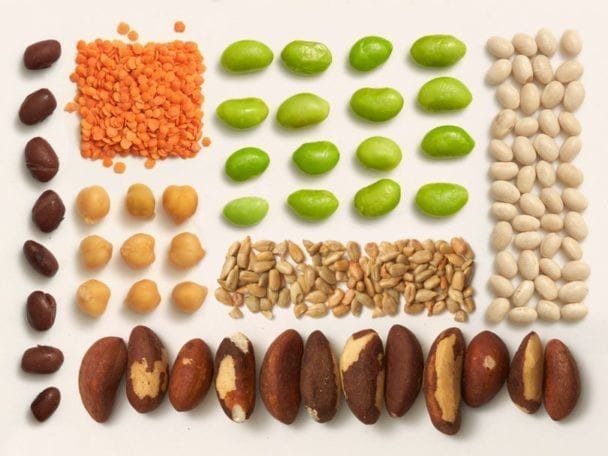
The first thing that someone starting a plant-based diet might notice is an energy boost with the removal of the processed meat that is found in many omnivorous diets, in favour of fruit, vegetables and nuts.
Feeling “light” in body and clarity also follow.
As time without animal products grows into weeks, there is likely to be a shift in bowel function either towards a more regular.
Health Concerns About Plant-Based Protein Diets
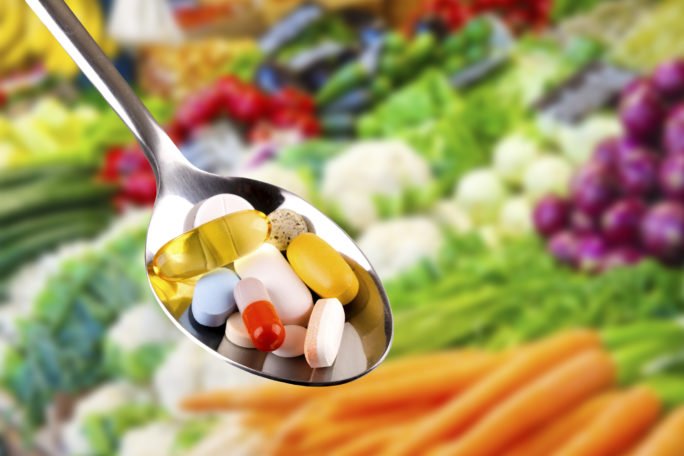
Let’s explore some these:
Vitamin B12
Approaching a year on a vegan diet, vitamin B12 stores may become depleted.
Vitamin B12 is a mainly animal-derived nutrient, which is missing entirely in vegan diets unless supplemented or provided in B12-fortified products, and which seems detrimental for neurological and cognitive health when intake is low.
- Vitamin B12 is a nutrient that is essential to the healthy functioning of blood and nerve cells and can only be found in animal products.
- It is a crucial component involved in early brain development, in maintaining normal central nervous system function and particularly for memory performance.
Vitamin B12 deficiency
- Vitamin B12 deficiency is a very serious problem and can lead to stoke, cognitive impairment, Parkinson’s disease and irreversible nerve damage.
- Symptoms of Vitamin B12 deficiency include breathlessness, exhaustion, poor memory and tingling in the hands and feet.
Iron
Iron is a mainly animal-derived nutrient and is commonly found in liver, beef, lamb and eggs.
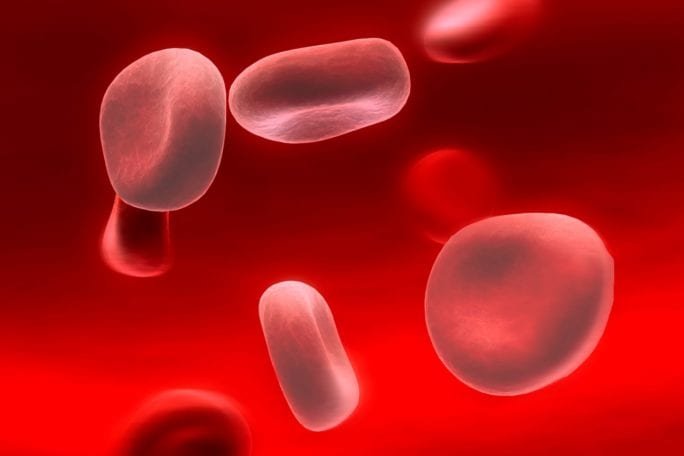
Iron is essential for the production of red blood cells.
Similar health dangers can stem from iron deficiency, another commonly assumed risk for plant-based dieters and other risk groups such as young women.
Iron deficiency
- One study showed that attention, memory and learning were impaired in iron-deficient compared to iron-sufficient women.
- May lead to detrimental health effects, such as impairments in early brain development and cognitive functions in adults and in children carried by iron-deficient mothers.
- Can possibly lead to fatigue, or an undersupply of blood to the brain or alterations in neurobiological and neuronal systems provoking impaired cognitive functioning.
Vitamin D
Vitamin D is essential in keeping bones, teeth and muscles healthy.
Three to six months on following a plant-based diet and your stores of vitamin D might be dropping as key sources of it in our diet come from meat, fish and dairy, and it isn’t always noticeable until it’s too late.
This is because vitamin D stores are only thought to last about two months in the body. How long your stores last will depend on the time of year that you decide to go vegan because the body can make vitamin D from sunlight.
Vitamin D deficiency has been linked with:
- Cancer
- Heat disease
- Migraines
- And depression
People who do not eat plants that contain high amounts of calcium may be at risk for impaired bone mineralization and fractures.

Calcium
The body needs calcium to maintain strong bones and to carry out many important functions. Almost all calcium is stored in bones and teeth, where it supports their structure and hardness. The body also needs calcium for muscles to move and for nerves to carry messages between the brain and everybody part.
In addition, calcium is used to help blood vessels move blood throughout the body and to help release hormones and enzymes that affect almost every function in the human body.
Calcium intake can be adequate in a well-balanced, carefully planned, plant-based diet
- Some significant sources of calcium include tofu, mustard and turnip greens, bok choy, and kale.
- Spinach and some other plants contain calcium that, although abundant, is bound to oxalate and therefore is poorly absorbed.
Supplements are recommended for those who are at risk for low bone mineral density and for those found to be deficient in vitamin D.
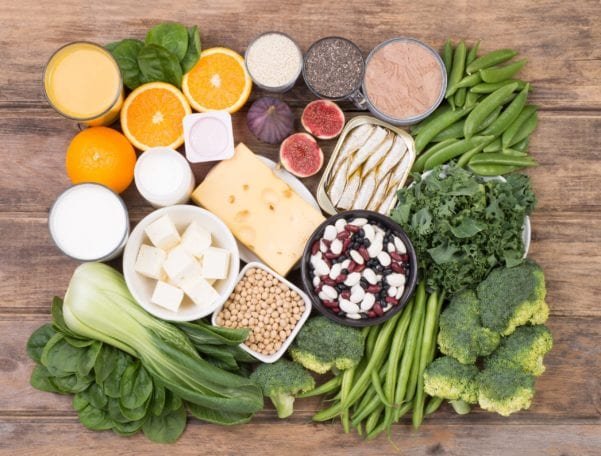
Fatty Acids
Fatty Acids are found abundantly in salmon, herring, sardines, and other fatty fish.
Essential fatty acids are fatty acids that humans must ingest for good health because our bodies do not synthesize them
Evidence suggests that plant sources of omega-3 fatty acids may not have the same benefits in reducing the risk of heart disease as those in oily fish.
The fatty acids that vegans are most likely to be deficient in are the omega-3 fats (n-3 fats).
- Deficiency in essential fatty acids may manifest as skin, hair, and nail abnormalities
- The fatty acids that vegans are most likely to be deficient in are the omega-3 fats (n-3 fats).
- Adequate intake of n-3 fats is associated with a reduced incidence of heart disease and stroke.
- Consumptions of the plant version of omega-3 fats, alpha-linolenic acid, are also low in vegans.
So, What’s the Right Protein Source to Match Your Metabolic Body Type?
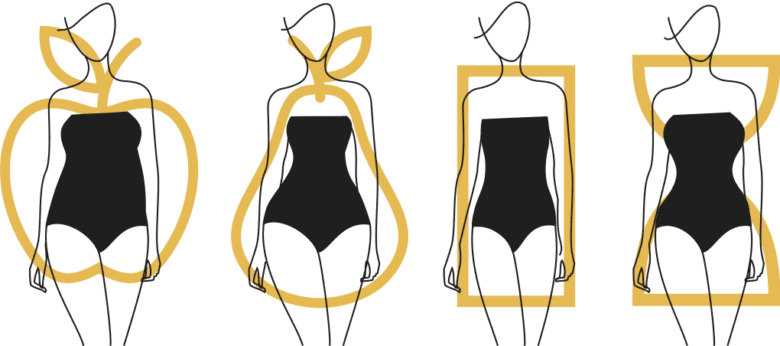
Well that depends on your metabolic body type which indicates what way of eating and which protein is best for you.
So, here’s what I have learned from my own experience and with my clients – “one-plan-fits-all” never works when it comes to eating healthy and feeling good.
In truth, we all come in different packages (body types) every person’s metabolism, cravings, and eating requirements are unique; there’s no standard approach that works for everyone.
By eating right for your body type, you nourish your body with the right kind of food for lasting energy, good mood, laser focus and sustainable body shape.
So, don’t waste any more time and energy on eating something that’s not right for your body type.
Join me for my 60 Minute FREE Class: and discover how to eat right for your metabolic body type, optimal health and weight so you can feel energetic and be in a good mood every day of your life
Register Now by clicking here