• Home
  • About Us
Women Love Wellness
  • News
  • Fitness
  • Nutrition
  • Longevity
  • Holistic Wellness
  • Sexual Wellness
  • Rest & Recovery
Subscribe
No Result
View All Result
  • News
  • Fitness
  • Nutrition
  • Longevity
  • Holistic Wellness
  • Sexual Wellness
  • Rest & Recovery
Subscribe
No Result
View All Result
Women Love Wellness
No Result
View All Result
Home Holistic Wellness

What Does It Mean When You’re Grinding Your Teeth?

Women Love Wellness by Women Love Wellness
09/11/2017
in Holistic Wellness
Reading Time: 3 mins read
A A
0
What Does It Mean When You’re Grinding Your Teeth?
Share on Facebook
Share on Twitter

Do you find yourself grinding your teeth? Is it just on rare occasions or has it become a habit? If so, here are ways to self-manage it.

If you are clenching your jaw and grinding your teeth then you are experiencing bruxism. This is mostly common when you are sleeping or if you are stressed or anxious.

Related articles

How Danya Gamliel Found Her Husband Using Her Clairvoyant Practices

The Healing Benefits Of Crystals for Your Star Sign

Bruxism is an excessive teeth grinding and an oral parafunctional activity where it is unrelated to normal function such as eating and talking.

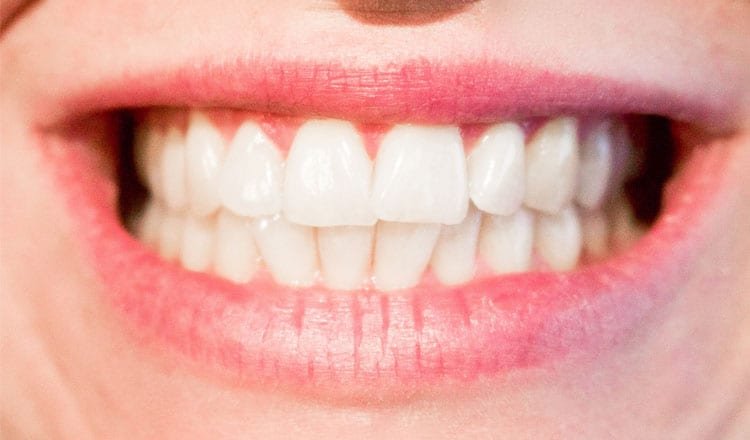
Teeth grinding is also common to children. People who have bruxisms have teeth that are flattened, fractured, chipped or loose. They have worn out teeth, exposing deeper layers of tooth and thereby exposing the tooth to increased pain and sensitivity.

Grinding Your Teeth
Grinding Your Teeth

Common Causes, Risk Factors and Symptoms

Most people who suffer from teeth gringing are not aware of the problem until symptoms occur which is associated with pain. There are two types of teeth grinding: sleeping bruxism and awake bruxism. Doctors don’t completely understand what causes bruxism but have provided risk factors that are combination of physical, psychological and genetic factors.

Risk Factors includes:

  • Stress
  • Age, usually common in children but may progress or goes away by adulthood
  • Personality types that’s aggressive, competitive and hyperactive will likely have bruxism
  • Family history of bruxism
  • Medications and substances like antidepressants, smoking, caffeinated drinks, alcohol or using recreational drugs may increase the likelihood to have bruxism.
  • Other disorders such as Parkinson’s disease, dementia, gastroesophageal reflux, sleep apnea and ADHD are associated with bruxism

Bruxism may cause variety of signs and symptoms:

  • Worn out tooth/teeth
  • Tooth fracture
  • Hypersensitive teeth
  • Inflammation of periodontal ligament of teeth
  • Hypertrophy of the muscles in the jaw
  • Pain or tenderness of the tempomandibular joints that may lead to TMJ disorders
  • Headache

Management

In many cases, treatment isn’t necessary unless bruxism is severe. Many kids usually outgrow bruxism and many adults don’t require therapy at all. However, your doctor will usually suggest dental approach to prevent teeth grinding and improve your teeth.

  • Splints and mouth-guards – These are designed to keep teeth separated to avoid the damage caused by clenching and grinding. They can be constructed of hard acrylic or soft materials and fit over your upper or lower teeth.
  • Dental Correction – In severe cases — when tooth wear has led to sensitivity or the inability to chew properly — your dentist may need to reshape the chewing surfaces of your teeth or use crowns to repair the damage.
  • Stress Management – Learning strategies through relaxation techniques and meditation. If bruxism is related to anxiety, advices from licensed therapist or counsellor may help.
  • Behaviour Change – This is done by practicing proper mouth and jaw position and usually guided by your dentist.
  • Muscle Relaxants, Botox Injections and Anxiety Medications – In some cases, most especially severe cases of bruxism, doctors may prescribed you with medications. For a short period of time, muscle relaxants are taken before bedtime. Botox injections may help some people who don’t respond to other treatments. Anxiety medications may also be given for short-term use.
  • A Change in lifestyle, reduce stress, and good sleeping habits – If bruxism is noticed at an early period, you may want to start changing your lifestyle, diet and sleeping habits. Avoid triggers like caffeinated drinks, reduce exposure to stress through exercise and relaxation techniques and always practice of having good sleeping habits.
Tags: BruxismteethTeeth grinding
Women Love Wellness

Women Love Wellness

Women Love Wellness is your trusted destination for living well, part of the Women Love Network™. From sleep health and mindfulness to fitness, nutrition, beauty and wellness travel, we bring you expert advice, honest reviews and inspiring stories to help women feel their best at every age and stage. Founded by award-winning media entrepreneur Robyn Foyster, Women Love Wellness celebrates wellbeing in all its forms — backed by more than four decades of publishing expertise and a passion for empowering women to thrive.

Related Posts

Clairvoyant

How Danya Gamliel Found Her Husband Using Her Clairvoyant Practices

by Women Love Wellness
20/09/2026
0

My maternal Grandmother, a fifth-generation clairvoyant of Ukrainian descent, gifted me my first deck of playing cards at five years old and nurtured my clairvoyant skills...

Healing Benefits Of Crystals for Your Star Sign

The Healing Benefits Of Crystals for Your Star Sign

by Hedy Damari
19/09/2026
0

Crystals are conductors of electromagnetic energy and have long been recognised for their remedial qualities. There's a vast variety of crystals and gemstones, each with a...

Book Cover The Nine Kingdoms_CVR

Author Hélène Grillot: When Fear Disguises Itself As Personality

by Hélène Grillot
18/09/2026
0

How discovering the hidden patterns beneath human behaviour changed the way I understood my relationships—and myself. Story by Hélène Grillot. For ten years, I believed I...

Just Two Minutes Lizzie Williamson

Our Attention Spans are Shrinking. Maybe Our Self-Help Needs to Shrink Too

by Lizzie Williamson
11/09/2026
0

We’re living in an age of shorter attention spans, fuller calendars and endless notifications competing for our focus. So perhaps it’s time our approach to self-improvement...

Acupuncture myths

The Top 5 Things People Get Wrong About Acupuncture

by Marie-Antoinette Issa
04/09/2026
0

Ask around and you'll find no shortage of opinions on acupuncture. Some people swear by it, others dismiss it as a placebo dressed up with needles,...

Next Post
Wake up feeling invincible

10 Signs You’re A Happy Health Junkie

The Struggle To Eat During Chemotherapy Is Real. 

The Struggle To Eat During Chemotherapy Is Real

wellness, eating, emotion

The Esssentialists: What Are The Secrets To A Happy Life?

CATEGORIES

RECOMMENDED

Personalised Goal Setting CSIRO Total Wellbeing
Holistic Wellness

Keeping it Real: The Power of Personalised Goal Setting

04/03/2026
7 Healthy Ways To Stop The Hunger Pangs1
Holistic Wellness

5 Tips to Makeover Your Health And Wellbeing

04/04/2026

No Libido? Elusive Orgasms? Bedroom Hang-Ups? Here’s The Answer

What The Sisters Behind The Brand Formerly Known as Swiish Want You To Know

How Danya Gamliel Found Her Husband Using Her Clairvoyant Practices

The Healing Benefits Of Crystals for Your Star Sign

Astrologer Hedy Demari’s Star Sign Love Match And Dating Dos and Donts

Your sexuality doesn’t retire in menopause

  • Home
  • About Us

© 2026 Foyster Media Pty Ltd. All rights reserved.

No Result
View All Result
  • News
  • Fitness
  • Nutrition
  • Longevity
  • Holistic Wellness
  • Sexual Wellness
  • Rest & Recovery

© 2026 Foyster Media Pty Ltd. All rights reserved.