Not long after my teenage son, was first diagnosed with type 1, I met a neighbour in the street while walking the dog. “How are you?” she asked in all innocence.
“I’ve had better days,” I replied, aware that this disease which had turned my world on its side was becoming part of my identity and I could talk about nothing else. “My son has type 1 diabetes.”
“Oh really?” my neighbour said breezily, as our dogs sniffed at each other. “Lentils are helpful, I believe.” Then walking on, called over her shoulder “Well have a nice day!”
I was so puffy-eyed from crying, you could have mistaken my face for a duvet. But here was my neighbour acting as if my son’s diagnosis was so insignificant it could be solved with a simple dish of lentils. Six years on, I have come to regard type 1 diabetes as possibly the world’s most misunderstood disease.

Even my own GP asked, “Did he eat a lot of ice-cream?” And I shall never forget the psychotherapist who told my sad, angry son that broccoli would put him right. A couple of years later, he was burdened so greatly by the disease that we were forced to take him to a mental health unit. I still marvel at that psychotherapist’s ignorance.
A type 1 diagnosis in a child is so devastating that Post-Traumatic Stress Disorder has been found in both parents and children, according to a study published in The Italian Journal of Paediatrics. Yet at every turn, platitudes and dietary advice seemed to confirm a conflated and confused worldview that type 1 and type 2 are the same, and neither are that serious.
I have been asked if my son got diabetes because he ate too many sweeties almost as often as school kids have mocked him for getting a ‘fat person’s disease’ (even though he is pencil thin). Presumably, these kinds of comments are upsetting for anyone with type 2, but for someone with type 1, a condition which has no more of a connection to obesity than carrots, it just adds to the wound.
Type 1 diabetes differs from its more commonplace cousin, in two distinct and devastating ways. Firstly, it mostly strikes children, hence it’s previous title ‘Juvenile Diabetes’. Fresh research published in the journal Lancet Diabetes and Endocrinology last year found that more adults are diagnosed with type 1 than previously imagined. But the implications for an adult, whether they have type 1 or type 2, are not as devastating as they are for a child. New research published by TrialNet also shows that the disease progresses much faster in children than adults.
Blood sugar management is so difficult a task that I had to abandon work in order to take care of my son, all the while trying to convince him that a Dementor had not flown through his bedroom window in order to suck all the happiness from his soul. Shoe-horning my child into a lifetime of needles – 20,000 of which would have to puncture his soft downy skin before he turned 18 – was a challenge that I kept thinking even NASA might struggle with.
The second major difference is that unlike type 2, type 1 is irreversible. Like death itself, it’s non-negotiable. It doesn’t matter how many lentils you eat, it will never go away.
Although both type 1 and type 2 diabetes are characterised by higher than normal blood sugar levels, the cause and development of the conditions are very different. Type 1 is an autoimmune condition, which means the body’s immune system suddenly attacks the cells of the pancreas, rendering it useless. Unfortunately, the pancreas is as vital as a heartbeat, because it produces insulin which is necessary to live.
People with type 2 are still mostly able to produce insulin, but the cells in their body become slowly unable to absorb it. This is often, although not always, caused by obesity, hence the endless confusion. There are also oral drugs to slow down the path to insulin dependence. Approximately 7 million adults are pre-diabetic in the United Kingdom, according to Diabetes UK. That means with lifestyle changes, many of them can stop the onset of type 2.
But the first time you know of a type 1 diagnosis, is when an innocent child, usually rail thin, falls onto the hospital bed, their bodies limp, and their lives hanging in the balance. For them, a lifetime of insulin injections is their only choice.
When you picture a tragic accident, there’s usually drama – ambulances, sirens, feverish nurses, flowers. Our tragedy was in slow-mo. I recall the white space of shock, an internal Semtex explosion that required a chair, and the discovery that for the rest of his life, my son would have to do daily battle to save his heart, his kidneys, his eyesight, his limbs, his mental health. His life would most likely be cut short. The life expectancy of someone with type 1 is shortened by an average of twenty years. Did the doctor really say that out loud or was that a fact I picked up later? I can’t remember now.
World Diabetes Day was created in 1991 by The International Diabetes Federation (IDF) and the World Health Organisation in response to growing concerns about the escalating health threat posed by diabetes and the rising numbers of people with it. Both types of diabetes kill more people than cancer and aids combined each year.
But while it is widely known that the number of people with type 2 diabetes is on the rise, it is less often acknowledged that type 1, is also. Australia has the seventh highest incidence of type 1 in the world, according to the IDF, with an estimated 130,000 people. Those numbers are rising at a rate of five percent each year. Globally, the figures are rising too. Countries, where there was never any incidence of the disease previously are now seeing cases, according to the IDF.
But unlike type 2, the scientists are still groping in the dark as to why. Genes are now known to play a part, and a study published by the BMJ last month and guaranteed to send a stab of guilt into a mother’s heart suggests a high gluten intake by mothers during pregnancy could have something to do with a higher risk of type 1, but the study is far from definitive.
The teen years are arguably the hardest. Even children who were diagnosed as babies, arrive at puberty and rebel, wanting to deny the existence of the disease that has dogged their childhood and often refuses to manage it, causing great risk to themselves.
My son’s adolescence was terrifying. He was so angry with the disease, he’d have picked a fight with his own reflection. How do you encourage independence, when a hypoglycaemic episode might go ignored during the night, leaving your child dead in their bed? How do you hand over needles and insulin to a 16-year-old intent on self-destruction?

There is nothing easy about diabetes management. For an adult, the task is overwhelming. For a child, it’s monstrous. No other chronic condition requires as much around the clock self-management. The stress of it is extreme, especially since rising and falling blood sugars are now known to affect mood and the ability to cope.
Yet somehow the management must shift from the parent who until that point, has kept their child alive, to the teenager who would rather be anywhere, doing anything else than dealing with a condition they hate.
The psychological impact of the disease also seems to make itself known during the teen years. New research now recognises diabetes as an emotional disease as well as a physical one. It comes with a fifty percent greater chance of depression, and as many as one in five people with diabetes (both type 1 and 2) think about suicide according to a study conducted by the University of Texas Health Science Centre. Diabulemia, the world’s most dangerous eating disorder, where someone with type 1 limits the amount of insulin they need in the mistaken belief it will help them lose weight, seems to affect teenage girls in particular.
Yet in spite of all this, there remains a view that the medical condition is easily treatable. “But he’s got an insulin pump now, hasn’t he?” people say to me, suggesting perhaps that I am being over-dramatic or that an insulin pump might solve everything. It doesn’t. A pump means fewer needles. It does not stop blood sugars rising and falling uncontrollably. We once received a school report, in which a teacher advised that my son would do so much better in school if he just managed his diabetes better. The comment was so misguided, it was laughable.
A World Diabetes Day is a magnificent idea if it’s goal is to help the 400 million people with type 2 diabetes in the world, and prevent further numbers joining their ranks, but if it only fans the flames of confusion – enough that while collecting money for JDRF, the charity intent on finding a cure for type 1, I was refused a donation on the grounds that ‘diabetes was a disease that people brought on themselves’ – then how it is helping those with type 1?
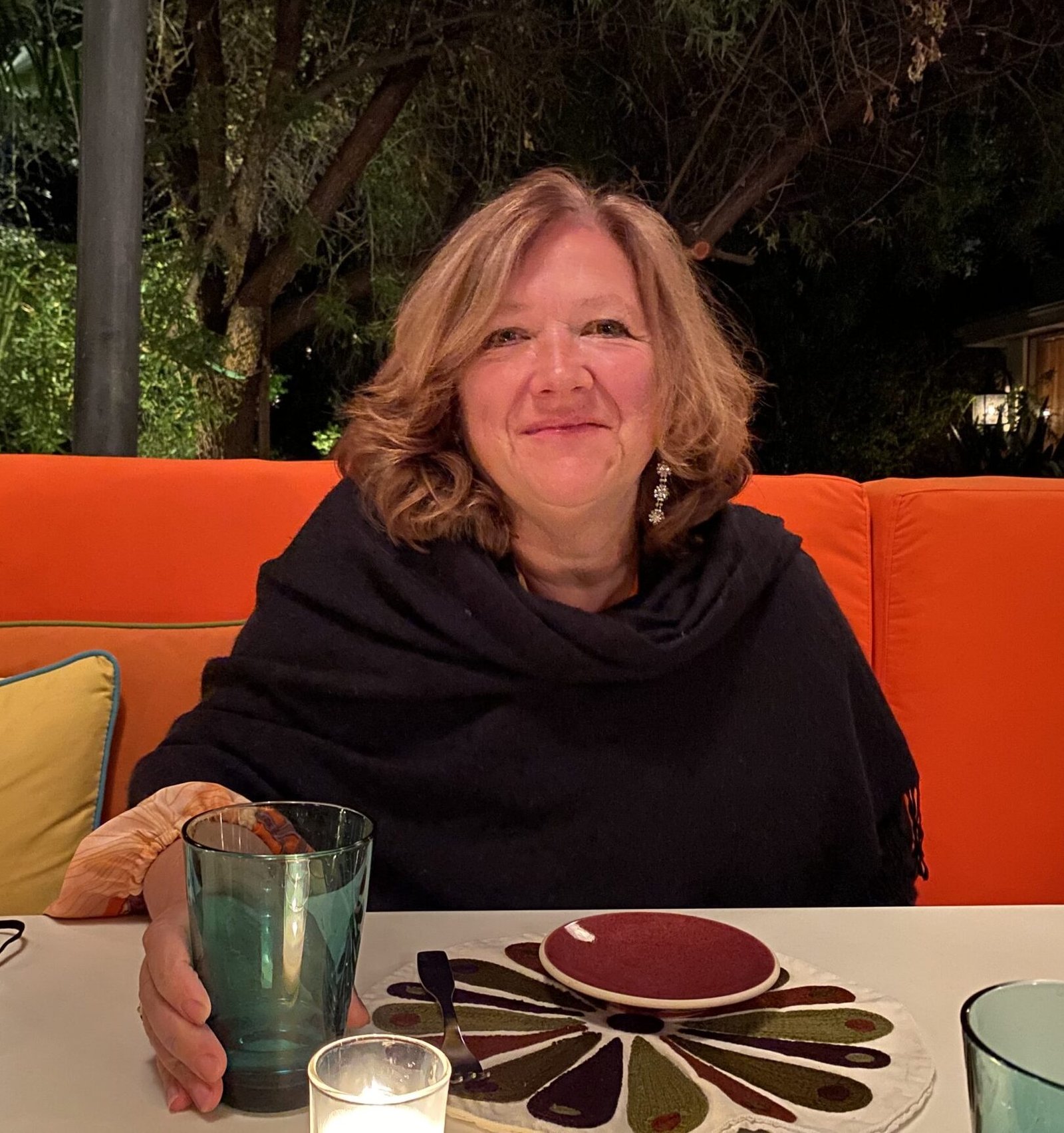
Lucy Broadbent is the co-author, together with her son Tom Norland, of a forthcoming memoir INCURABLE about what it means to raise a child and grow up with type 1.